Por: Paloma Hernandez, presidenta y directora ejecutiva, Urban Health Plan
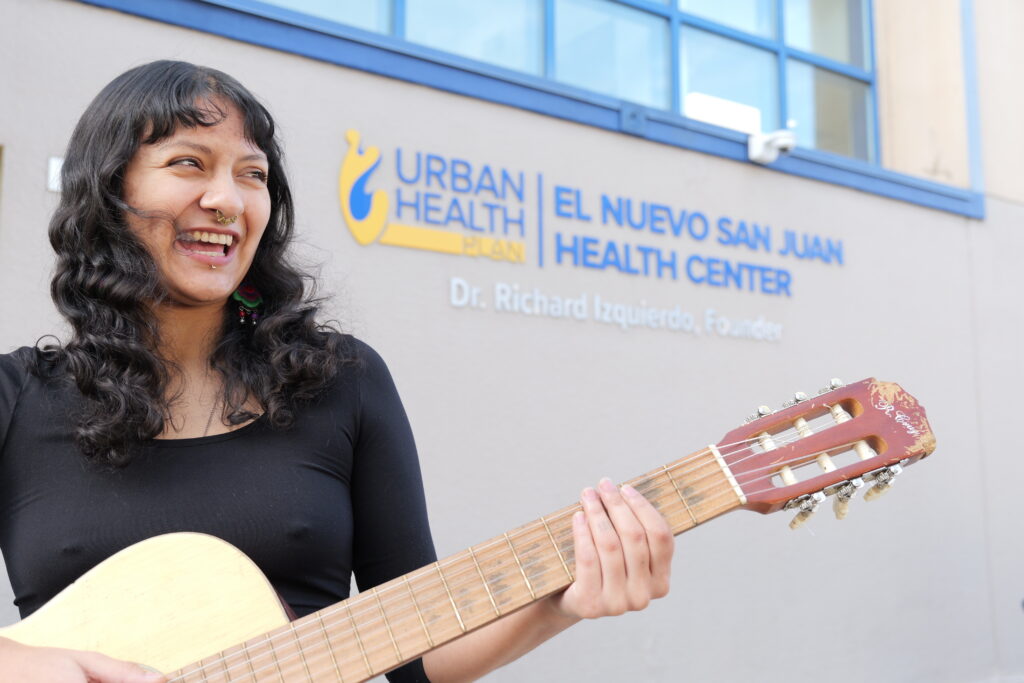
Siempre hemos definido al cuidado de la salud por lo que ocurre dentro de los entornos clínicos: el diagnóstico, el tratamiento, la prescripción. Pero la salud en sí está determinada por todo lo que ocurre fuera de esas paredes: si una persona tiene un motivo para levantarse por la mañana, una comunidad a la que pertenecer, algo que le brinde felicidad. Recientemente, una tarde de martes en uno de nuestros centros de salud, una paciente que llegó ansiosa y sola se quedó dos horas después de su cita porque una guitarrista estaba tocando en el vestíbulo y no quería irse. Ese momento no es una coincidencia. Es exactamente el punto, y la motivación detrás de lo que llamamos prescripción social.
Hoy, 26 de marzo, es el Día Mundial de la Prescripción Social. Es un evento internacional para reconocer un movimiento cada vez más grande que está cambiando la forma en que debería verse el cuidado de salud. En Urban Health Plan (UHP), un sistema de centros de salud comunitarios calificados por el gobierno federal que presta servicios en el Bronx, Queens y Manhattan, no adoptamos la prescripción social como un complemento para el cuidado, sino como una parte esencial de él. ¿Por qué? Porque la soledad, el aislamiento y la depresión son una crisis de salud.
La evidencia es sombría. En 2023, el director general de Salud Pública de EE. UU. publicó un informe que declara la soledad como una epidemia de salud pública y revela que el aislamiento social es un mayor riesgo para la salud que la obesidad o la falta de actividad física y es equivalente al impacto en la salud de fumar 15 cigarrillos al día. Más de la mitad de los adultos en los Estados Unidos dicen sentirse solos, y las comunidades en las que prestamos servicios en el sur del Bronx, donde los índices de pobreza rondan el 30% y las cargas de las enfermedades crónicas son desproporcionadamente elevadas, están entre las más golpeadas.
La conexión social no es un lujo. Es una necesidad humana fundamental, y los datos muestran que la soledad tiene consecuencias reales y mensurables para la salud física y mental de una persona. El aislamiento social contribuye con la hipertensión, las enfermedades cardíacas, la depresión y el deterioro cognitivo acelerado. De hecho, una investigación muestra que los adultos mayores que dedican tiempo al arte tienen un riesgo de sufrir depresión un 48% más bajo y una reducción del 44% en el riesgo de sufrir demencia. Los datos son claros: los vínculos sanan.
En 2023, Urban Health Plan se unió con orgullo a Arts for EveryBody, una iniciativa nacional que abarca 18 ciudades estadounidenses y está dirigida por One Nation/One Project, con la misión de activar el poder del arte para sanar comunidades. El año siguiente, presentamos nuestro propio Arts Desk, un programa exclusivo dentro de nuestros centros de salud a través de los cuales los proveedores de UHP prescriben arte y experiencias culturales a los pacientes en base a sus intereses y necesidades. Siempre suceden cosas dentro o cerca de nuestras comunidades, y un trabajador de la salud comunitario trabaja para conectar a cada paciente con la oportunidad adecuada: una obra, una clase de cocina en nuestro taller de cocina en el lugar, un museo, un jardín botánico o un taller de arte.
Estas experiencias son intencionalmente gratuitas o de bajo costo, porque sabemos que el acceso al arte ha sido históricamente desigual. En una comunidad donde las barreras financieras son reales y constantes, la prescripción social se convierte en una herramienta para la equidad en salud, para garantizar que el poder sanador de la creatividad y la conexión no solo se reserva para aquellos que pueden pagarlo.
El impulso está creciendo. En 2025, se hicieron prescripciones de arte y cultura todos los meses, y en algunos meses se generaron 100 prescripciones. En comparación con el año anterior, se duplicó la cantidad de proveedores que hicieron prescripciones y se triplicó la cantidad de prescripciones. Prescribir arte y cultura es una pieza importante del rompecabezas, pero hacer que los programas de arte sean accesibles es igualmente importante. Llevamos programas de arte dentro de siete de nuestros centros de salud, con la participación de 1,750 pacientes en experiencias en el lugar, desde talleres de artes visuales hasta presentaciones de música en vivo por parte de artistas y grupos locales. En las ferias de salud comunitarias, alrededor de 5,000 personas tuvieron acceso a programas de arte, como música en vivo, obras y diversas formas de crear arte.
La respuesta de los pacientes fue positiva. Encuestas rápidas realizadas con más de 400 pacientes durante nuestro programa de artistas en residencia arrojaron que más del 99% de los pacientes dice sentirse feliz o con confianza después de participar en talleres de arte y más del 90% se sitió más vinculado con otras personas en la sala. No son cifras pequeñas. Reflejan algo esencial: cuando las personas se sienten vistas, comprometidas y que son parte de una comunidad, su estado de ánimo y motivación mejoran.
El reconocimiento nacional que UHP recibió destaca que este enfoque no solo está funcionando, sino que vale la pena ampliarlo. En noviembre de 2024, el National Endowment for the Arts eligió a Urban Health Plan como una de solo nueve organizaciones de todo el país que demuestran enfoques innovadores y que se pueden replicar para mejorar la salud mental, el sentido de pertenencia y la conexión social a través del arte. Nuestro programa también fue presentado como un estudio de caso en Creative Partnerships for Stronger Healthcare, una guía nacional publicada por Arts for EveryBody y CSI Solutions. Además, con One Nation/One Project, nos presentamos en el Institute for Healthcare Improvement IHI Forum en diciembre pasado.
Estamos orgullosos de lo que hemos construido, pero sabemos que ninguna organización puede cubrir esta necesidad sola. La prescripción social nos necesita a todos: los proveedores de cuidado de salud que quieren ver más allá del talón de prescripciones, las organizaciones comunitarias listas para abrir sus puertas, los artistas comprometidos con sus comunidades y los legisladores que reconocen que la salud también pasa por fuera de las salas de examinación.
En este Día Mundial de la Prescripción Social, todos los que estamos haciendo este trabajo pedimos a los proveedores de salud, líderes de la comunidad, docentes y representantes de la cultura en Nueva York y más allá que se sumen a este movimiento. Comience de a poco, simplemente preguntando cómo el arte puede formar parte del cuidado que proporciona. Asóciese con organizaciones locales. Abogue por programas que se centren en todos los aspectos humanos de las personas a las que presta servicios.
La salud no es solo la ausencia de enfermedades; es la presencia de felicidad, conexión y creatividad. Y en el Bronx, ¡prescribimos las tres!